

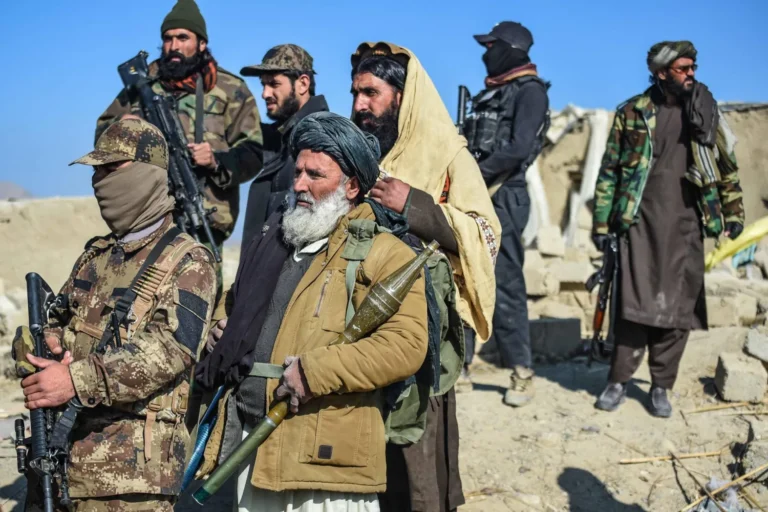
Khawarij Hijacking Islam for Terror and Power
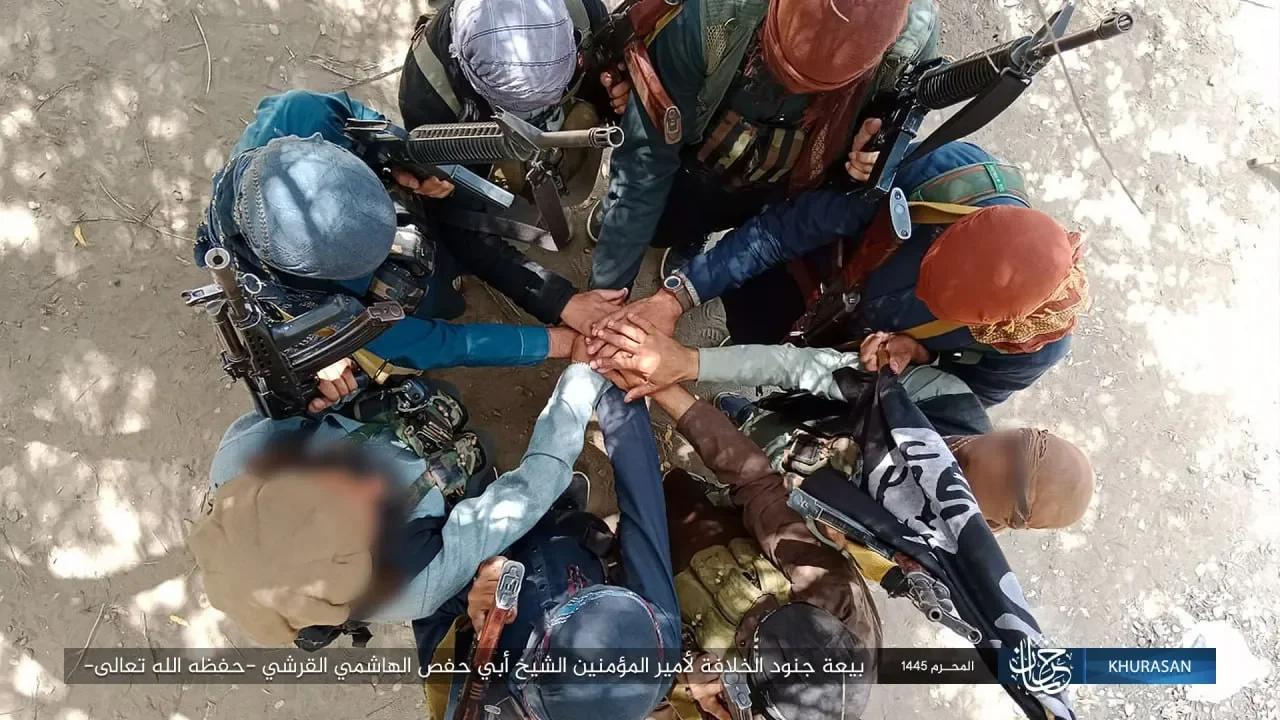
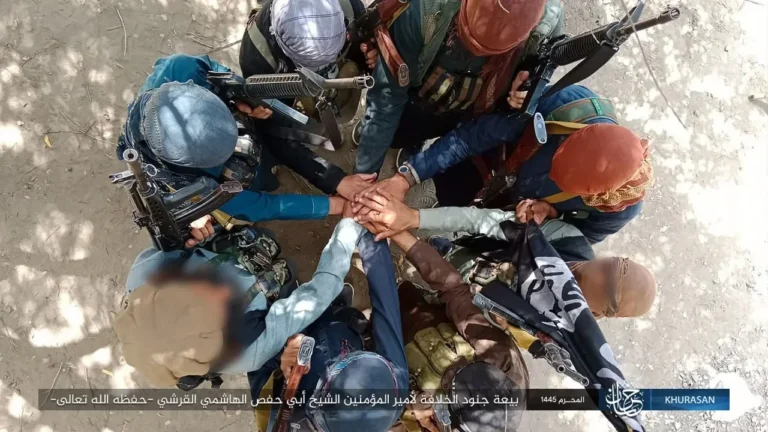
There is perhaps no greater betrayal in the modern world than turning a religion of peace into a recruitment manual for mass murder. That is precisely what the Khawarij have been doing for years, twisting sacred Islamic teachings beyond recognition, weaponizing young minds through emotionally charged propaganda, and wrapping brutal terrorism in the borrowed robes of religion. This is not a theological dispute. It is a calculated, organized assault on Islam itself, on Pakistan, and on every innocent life caught in between.
Religion as a Weapon, Not a Belief
The Khawarij terrorists misuse the sacred name of Islam, exploiting its teachings through distortion and misinterpretation to justify violence, sow hatred, and pursue their malevolent agendas. Their true character has been laid bare by none other than their own former members. A captured foreign terrorist revealed that Fitna al Khawarij manipulated young people to carry out terrorist attacks, including assaults on police stations. Several commanders exploited youth for personal gains, encouraging immoral behaviour, while the group falsely labelled the Pakistan Army as non Muslims, even as the terrorists themselves were the ones who had never known basic prayers or the Kalima before joining.
This exposes the hollow core of Khawarij ideology. Men who could not recite a Kalima were pronouncing others as apostates and sending teenagers to their deaths. These Khawarij have used religion for their personal gain and distorted the true message of Islam, and seeking help from foreign overlords and carrying out terrorist acts under their support is in no way jihad; it is a conspiracy that directly negates the teachings of Islam.
Faith, for the Khawarij, is never a conviction. It is a tool, for recruitment, psychological manipulation, fear, coercion, and ideological deception.
The Digital Battlefield: Screens as Weapons
If the gun was the Khawarij’s weapon of yesterday, the smartphone is their weapon of today. Social media platforms like X, TikTok, Instagram, YouTube, and Facebook use algorithms that prioritize user interaction, often amplifying emotionally charged content regardless of its factual accuracy, a dynamic that terrorist organizations have deliberately exploited for propaganda, recruitment, and the normalization of violence.
The threat is not random. Through AI generated campaigns and the exploitation of global conflicts, this narrative machinery targets both educated urban youth and marginalized communities alike, creating an anti state discursive ecosystem that erodes state credibility more effectively than any single group could on its own. Research published in 2026 confirms that major social media platforms including Facebook, YouTube, X, Instagram, and WhatsApp are widely exploited for youth radicalization and recruitment by terrorist groups in Pakistan.
Propaganda materials produced by the Khawarij flow through hostile media networks based in India and Afghanistan, amplified by counter intelligence elements who provide these terrorists with platforms and narrative oxygen. The result is a dual war, bombs on the streets, lies on the screens, both aimed at the same target: a stable, peaceful Pakistan.
The Quran They Claim to Follow And Openly Defy
Nothing exposes the Khawarij’s religious fraud more starkly than their use of suicide attacks. The Holy Quran states with unmistakable clarity in Surah An Nisa (4:29): “And do not kill yourselves. Indeed, Allah is to you ever Merciful.” Yet the Khawarij manufacture justifications for human bombs, sending vulnerable young men and women to their deaths in the name of the very religion that forbids it.
Counter narrative materials stress that suicide bombings are in fact suicidal acts punishable by eternal damnation, and that the Prophet Muhammad (PBUH) explicitly said:
“No Muslim is allowed to threaten another Muslim.”
The Khawarij attack mosques during Friday prayers, blow up madrasas, target schools, and massacre villagers, all while claiming to defend Islam. Every one of these acts is a direct violation of Islam’s foundational principles: the protection of life, the preservation of peace, justice, and human dignity.
1,800 Scholars Speak And They Reject the Khawarij
The Khawarij cannot claim any credible religious authority. Paigham e Pakistan, endorsed by nearly 1,800 scholars from across all major schools of Islamic thought, categorically rejects every dimension of the Khawarij’s twisted ideology. Paigham e Pakistan provides a unified religious stance against terrorism, offering a powerful tool to counter extremist narratives.
The primary propaganda tool of Kharijite groups is takfir, falsely claiming that Pakistan’s governance is un Islamic, a narrative that is directly neutralized by the 1973 Constitution of Pakistan, which codifies the supremacy of Islamic principles within the state’s legal framework. Their theological argument is not just wrong; it is constitutionally, historically, and Islamically indefensible.
A Nation Fighting Back And Winning
On the ground, Pakistan’s resolve has translated into real results. In 2025 alone, more than 2,500 Khawarij were killed in targeted operations, reflecting the Pakistani state’s determination to confront terrorism directly. Under Operation Azm e Istehkam, intelligence based operations have continued into 2026 with relentless momentum. Counter terrorism operations continue under the Azm e Istehkam vision to eradicate foreign sponsored terrorism, with the entire nation standing beside its security forces.
Equally significant is the rejection coming from ordinary citizens. The people of Khyber Pakhtunkhwa have strongly rejected the misleading narrative of Fitna al Khawarij, publicly dissociating themselves from terrorist relatives, standing shoulder to shoulder with state institutions, and declaring full support for the armed forces. When a father stands at a press club to publicly disown his own son for joining the Khawarij, that is not just news, that is a civilization fighting for its soul.
Religious scholars have reinforced this rejection, emphasizing that Fitna al Khawarij misinterprets Islamic teachings and spreads violence and disorder against fellow Muslims, and urging young people to rely on authentic information rather than baseless propaganda against Pakistan.
The Battle of Narratives
The Khawarij’s declining battlefield influence has pushed them deeper into information warfare. Following mounting losses and casualties during intelligence based operations, Fitna al Khawarij resorted to launching propaganda campaigns to falsely portray themselves as strong, but experts believe their deceitful narrative has no chances of success, as the reality of their diminishing power and growing irrelevance cannot be hidden.
Countries that have invested in digital counter narrative campaigns, training young social media influencers and content creators to actively challenge terrorist messaging with authentic, relatable content, have seen measurable success in disrupting online radicalization pipelines. Pakistan’s own vibrant, connected youth culture is one of its greatest assets in this fight, if that energy is channeled toward counter extremism voices.
Conclusion
The Khawarij are not defenders of Islam. They are its worst enemies, ideological mercenaries hiding behind scripture while serving foreign agendas, shedding innocent blood while quoting the Quran they have never understood. Their violence has not only destroyed lives across Pakistan but has fueled Islamophobia globally, tarnishing a religion of over a billion peaceful believers. The war against Khawarij must be fought on two fronts simultaneously: on the ground through relentless security operations, and in the mind through credible, scholar backed, youth driven counter narratives. Every citizen who refuses to share their propaganda, every scholar who speaks the truth, every young Pakistani who chooses knowledge over manipulation, is a soldier in this war. And history is clear: no fitna, however organized, however funded, however loud, survives the light of truth for long.

