

WAADA: A Promise Whose Time Has Come
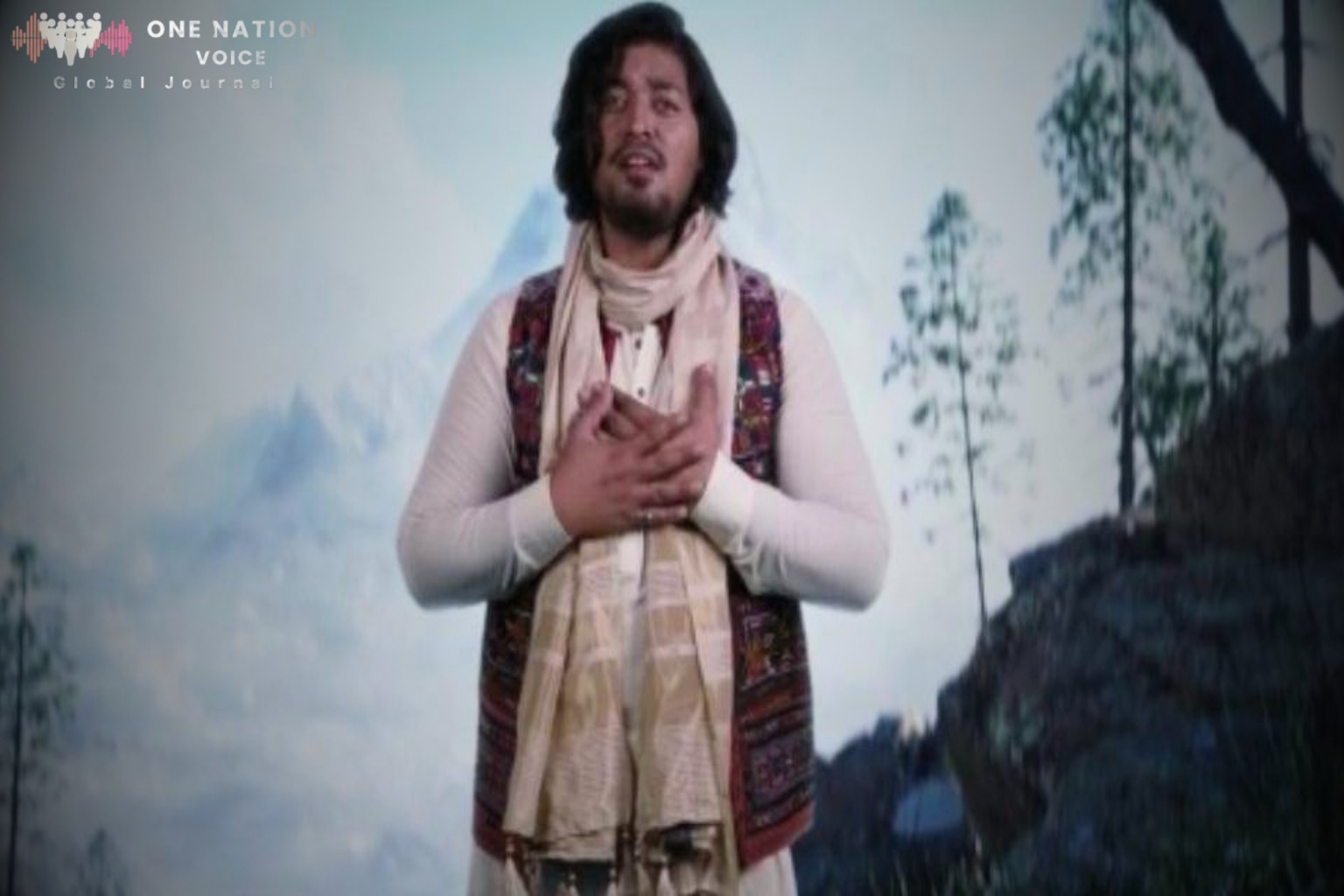
There are moments when a song does something a speech cannot. It bypasses the calculating mind, travels straight to the chest, and plants itself somewhere between memory and longing. “WAADA” the new patriotic national song released this Eid is precisely such a moment. And it arrives at precisely the right time.
Pakistan in 2026 is a nation that has just passed through fire. Barely a year ago, in what history will remember as Marka e Haq, this country stood at the edge of the abyss and chose not to flinch. Prime Minister Shehbaz Sharif said it plainly: “In the face of aggression, Pakistan stood united in purpose, disciplined in action, and unshakable in faith.” That unity raw, spontaneous, and spanning every province and tongue was not manufactured by any government ministry. It rose from the soil itself. From the mitti that “WAADA” so movingly celebrates.
The song opens with an emotional salute to the martyrs, to those who gave what cannot be returned. This is not a rhetorical flourish. It is an honest accounting of Pakistan’s journey. As Bilawal Bhutto Zardari reminded the nation at a Marka e Haq ceremony: “Since its creation in 1947, Pakistan has been refined through trials and strengthened through sacrifice.” The men and women who fell defending this land are not footnotes. They are the very foundation upon which every future promise must be built. “WAADA” understands this. Before it asks anything of us, it first acknowledges what was already given.
The core message of the song is deceptively simple: remember your promise. The word waada itself a promise, a pledge is one of the most morally weighty words in Urdu. It is not merely a commitment made to another person; in its deepest cultural sense, it is a covenant with one’s own conscience. To break a waada is not just a social failing. It is a failure of character. By centering the entire anthem on this single word, the song makes a profound argument:
Pakistan’s future is not a policy question. It is a moral one.
Described as more than just a song, “WAADA” reflects the collective promise of every Pakistani to stand by the nation with unity, commitment, and devotion. This is what separates it from generic patriotic fare. It does not only celebrate. It obligates. It does not only stir emotion. It assigns responsibility. And it does so not through guilt, but through love.
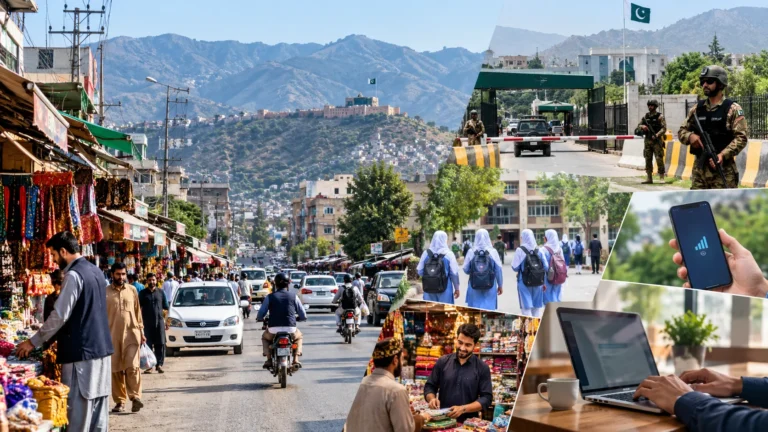
The song’s reach across Pakistan’s regional diversity is one of its most significant artistic choices. The production combines powerful lyrics, moving music, and striking visuals displaying the beauty, culture, and diversity of different regions across Pakistan, with special verses honouring Balochistan. This matters deeply. For too long, patriotic expression in Pakistan has been dominated by a singular cultural voice. By weaving in regional languages and identities, “WAADA” says something that politicians often struggle to articulate: that the promise to Pakistan is not the exclusive property of one language, one ethnicity, or one geography. From the peaks of Gilgit Baltistan to the coastlines of Balochistan, the pledge belongs to all.
Research into Pakistan’s national song tradition has shown that songs like “Is parcham ke saaye taley hum aik hain” transcended sectarian, ethnic, and political divides, rallying the nation behind a single cause: unity, valour, and faith. “WAADA” inherits this tradition but updates it for a new era, one in which Pakistanis are demanding that their diversity be seen, not erased, in the name of unity.
The timing of this release during Eid ul Adha is also worth noting. Eid is not merely a holiday; it is itself a celebration of sacrifice and devotion, of Hazrat Ibrahim’s willingness to give everything to a higher calling. The resonance with “WAADA’s” themes of farz, sacrifice, and covenant is not accidental. It is the kind of cultural alignment that transforms a song into something larger: a shared emotional experience that spans dinner tables and drawing rooms across the country.
Patriotic songs in Pakistan have long served as instruments of soft power, strengthening the resolve to stand tall and united with the country’s armed forces while simultaneously serving as psychological reinforcement of national identity. But the finest of these songs go beyond morale boosting. They hold up a mirror. They ask: who are we? And who do we intend to be?
“WAADA” answers this question through the lens of Quaid e Azam Muhammad Ali Jinnah’s three guiding principles: Iman, Ittehad, Tanzeem. Faith, Unity, Discipline. These are not new words. Every Pakistani child has encountered them. But “WAADA” does something important: it refuses to let them remain decorative. It insists they be lived. It is one thing to recite Jinnah’s principles at a ceremony. It is another to make them the structure of your daily life: the discipline that gets you to work on time, the unity that stops you from spreading bitterness online, the faith that keeps you honest when no one is watching.
The entire nation has been proud of the sacrifices rendered by the armed forces for the protection of the country and the maintenance of peace. But peace, once earned by soldiers, must be sustained by citizens. This is the burden “WAADA” places at our feet gently, through melody, but firmly, through meaning.
Pakistan is a nation of extraordinary resilience. It has faced terrorism from forces that sought to tear its social fabric apart, external aggression from those who underestimated its resolve, and internal fractures that lesser nations would not have survived. And yet here we are singing. That, in itself, is a form of defiance.
The Corps Commanders’ Conference noted that the Pakistani nation stands united, resilient, and fully prepared, and that the harmony between the people, government, and armed forces stands as Bunyan um Marsoos against all internal and external challenges. “WAADA” is the civilian voice of that same wall made not of concrete but of conscience, not of steel but of song.
A nation that can still make promises to itself, and mean them, is a nation that cannot be broken.
Pakistan Zindabad
Disclaimer:
The views and opinions expressed in this article are exclusively those of the author and do not reflect the official stance, policies, or perspectives of the Platform.

